1793 Origins & 1901 Architecture: James & Lister Lea
Commissioned by the Holt Brewery Company and erected in 1901 to the designs of celebrated Birmingham pub architects James & Lister Lea, The Anchor at 308 Bradford Street stands as an unspoilt masterpiece of Edwardian buff-red terracotta, Minton ceramic tilework, leaded art glass, and carved mahogany craftsmanship.
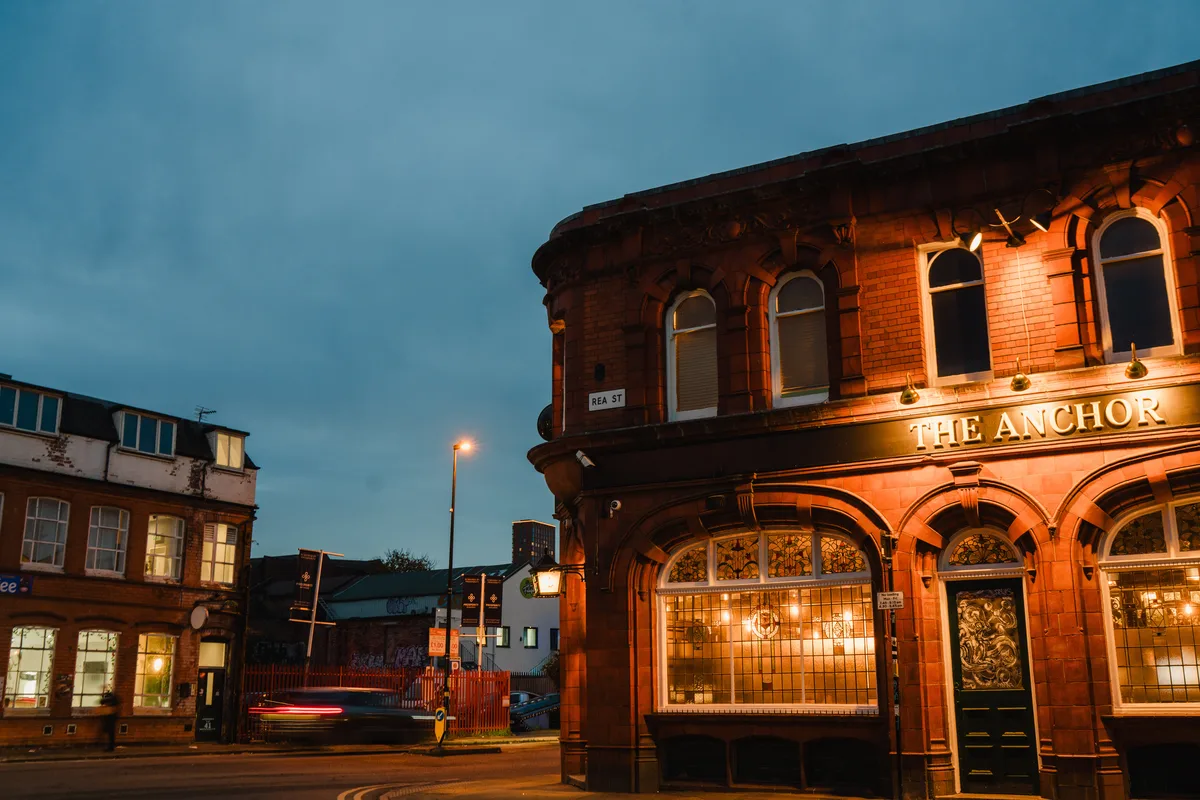
308 Bradford Street & Rea Street Corner Turret
Rising three storeys above the crossroads of Digbeth’s industrial heartland, James & Lister Lea’s commanding corner elevation anchors the streetscape with canted oriel bays, Dutch-gabled dormers, and a ground-floor arcade of glazed buff-red terracotta.
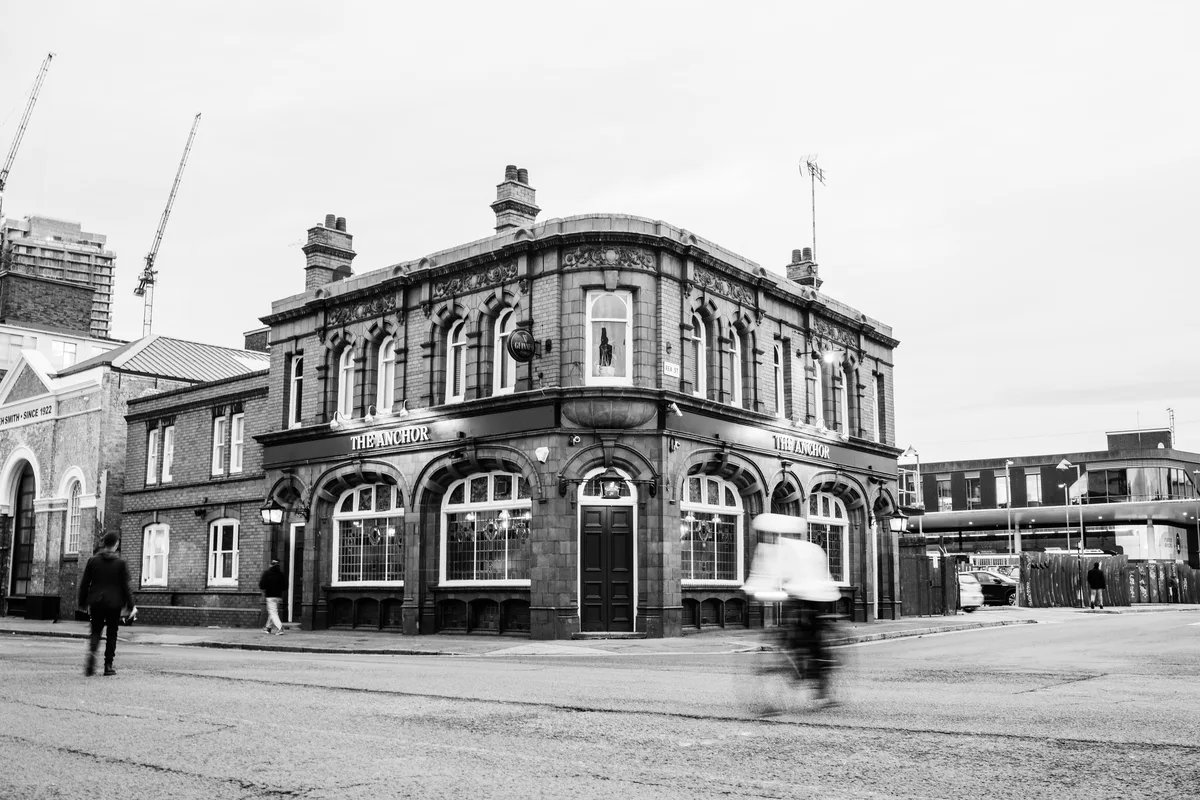
Over Two Centuries on the Corner of Rea Street
While a tavern has stood on this plot since 1793, the 1901 rebuilding created an enduring landmark that survived the Birmingham Blitz, post-war ring-road clearances, and the evolution of Digbeth’s Irish Quarter.
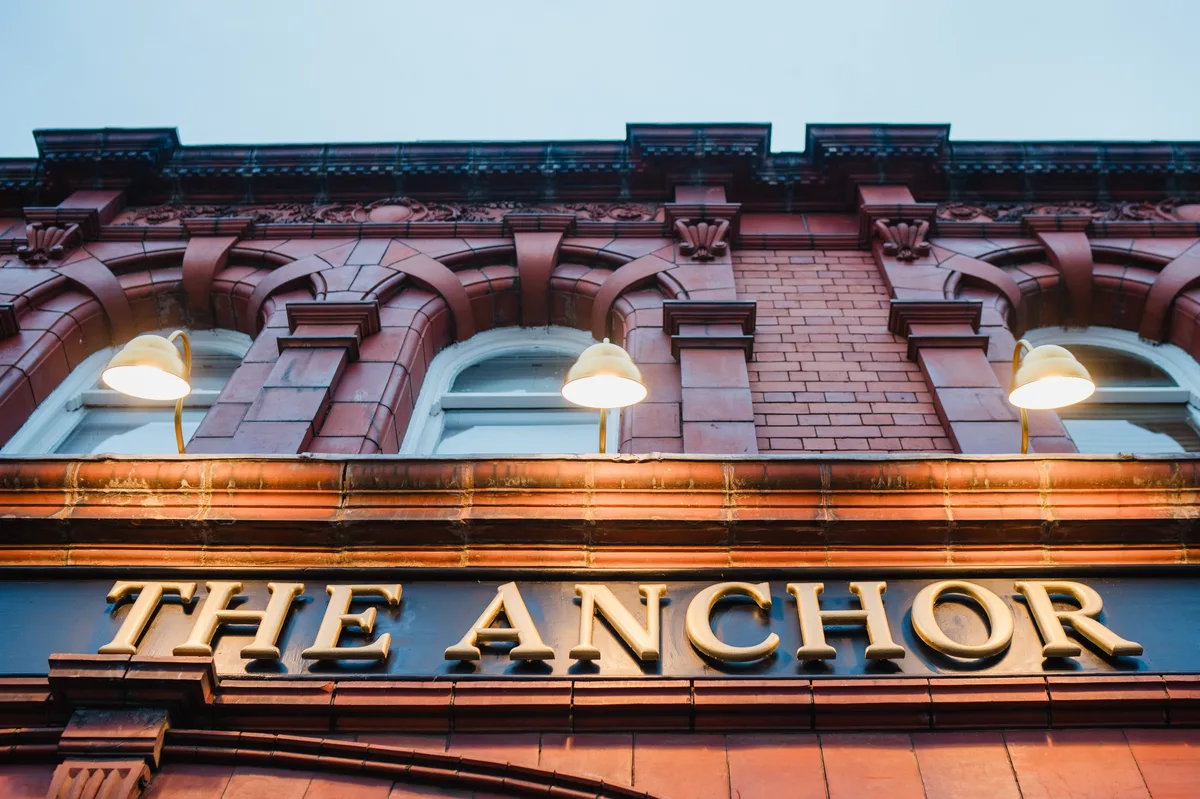
Buff-Red Glazed Terracotta & Gold Leaf Fascia
Kiln-fired in Loughborough by the Hathern Station Brick & Terra Cotta Company, the ground-floor blocks were engineered to resist industrial soot while showcasing deeply moulded Neo-Renaissance foliage and gilded fascia lettering.
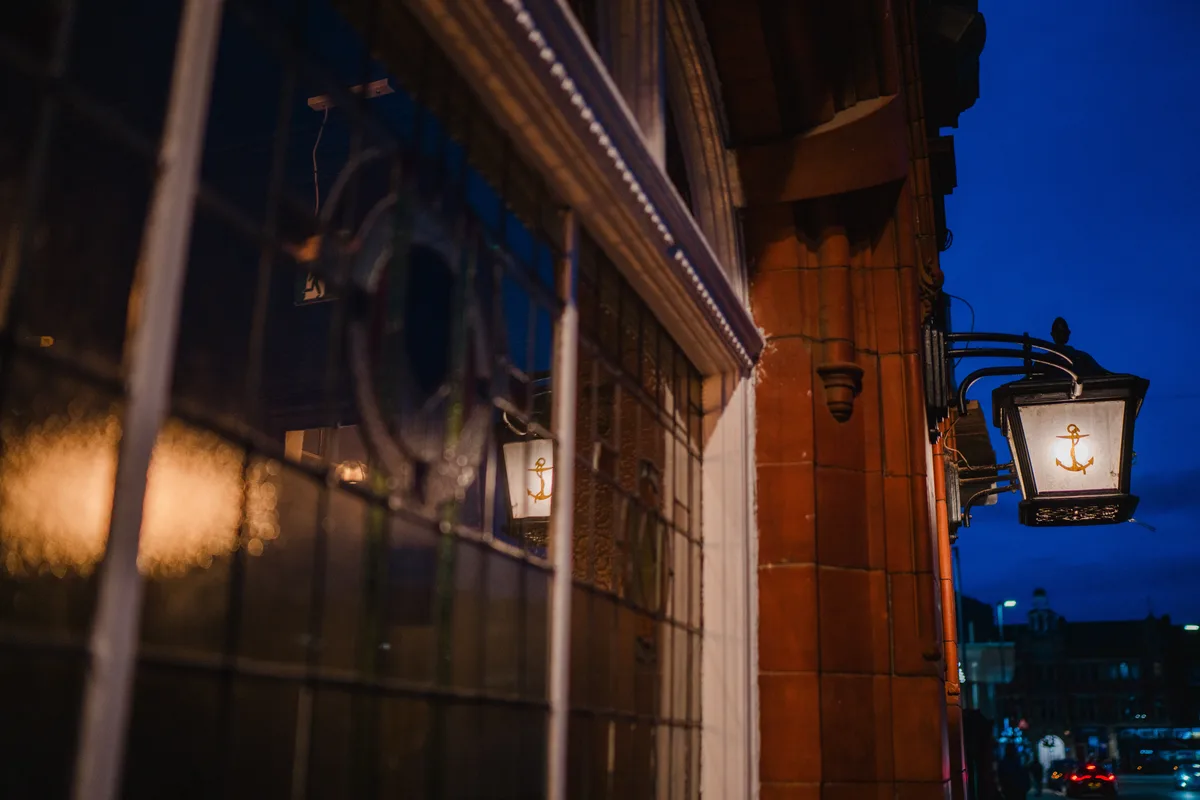
Moulded Elliptical Arches & Goose-Neck Lanterns
Curved keystones, scrolled consoles, and classical entablature mouldings frame the twin Bradford Street and Rea Street entrances beneath wrought-iron swan-neck pub lamps.
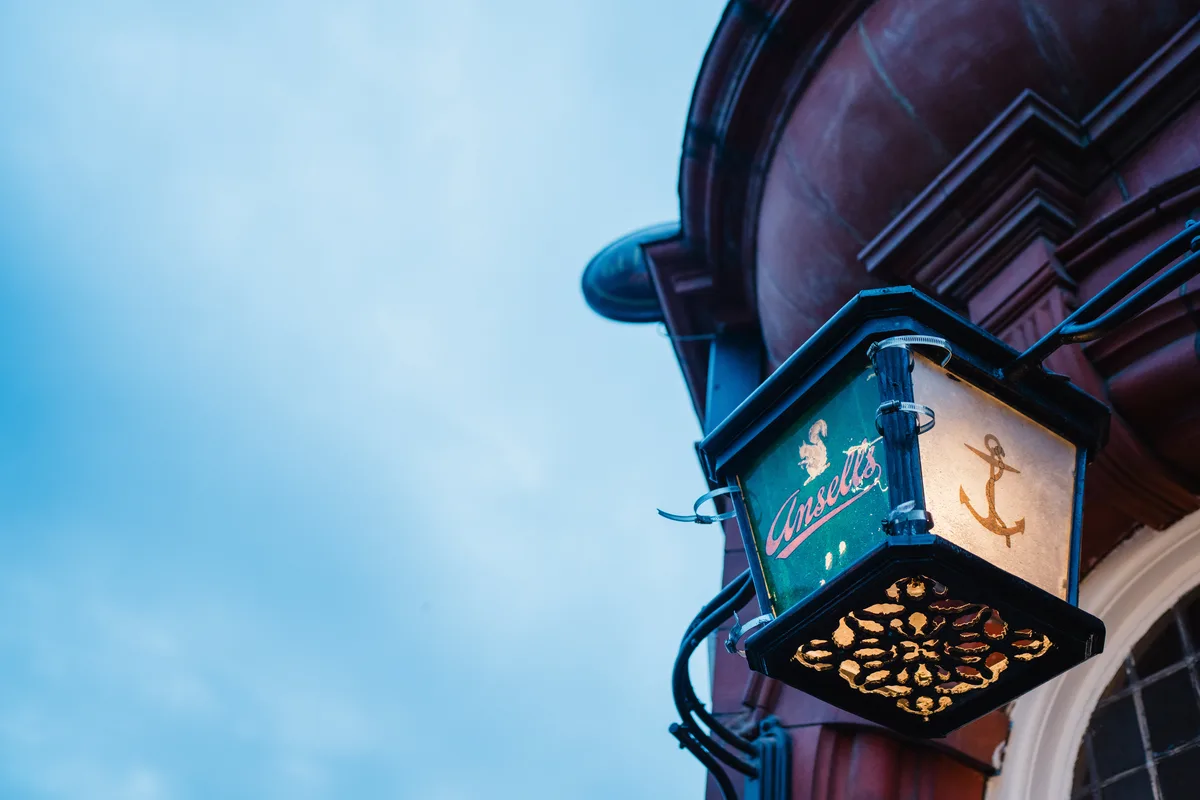
Surviving Ansells Brewery Exterior Lantern
A rare surviving Ansells Brewery lantern suspended against the upper red-brick facade recalls Birmingham’s great brewing dynasties before The Anchor became a fiercely independent freehouse under the Kennedy family in 1975.
Leaded Art Glass, Minton Tiles & Carved Mahogany
Step through the draught-screened lobbies into one of Britain’s best-preserved Edwardian pub interiors—celebrated for its unaltered multi-room floor plan, original ceramic surfaces, and monumental woodwork.
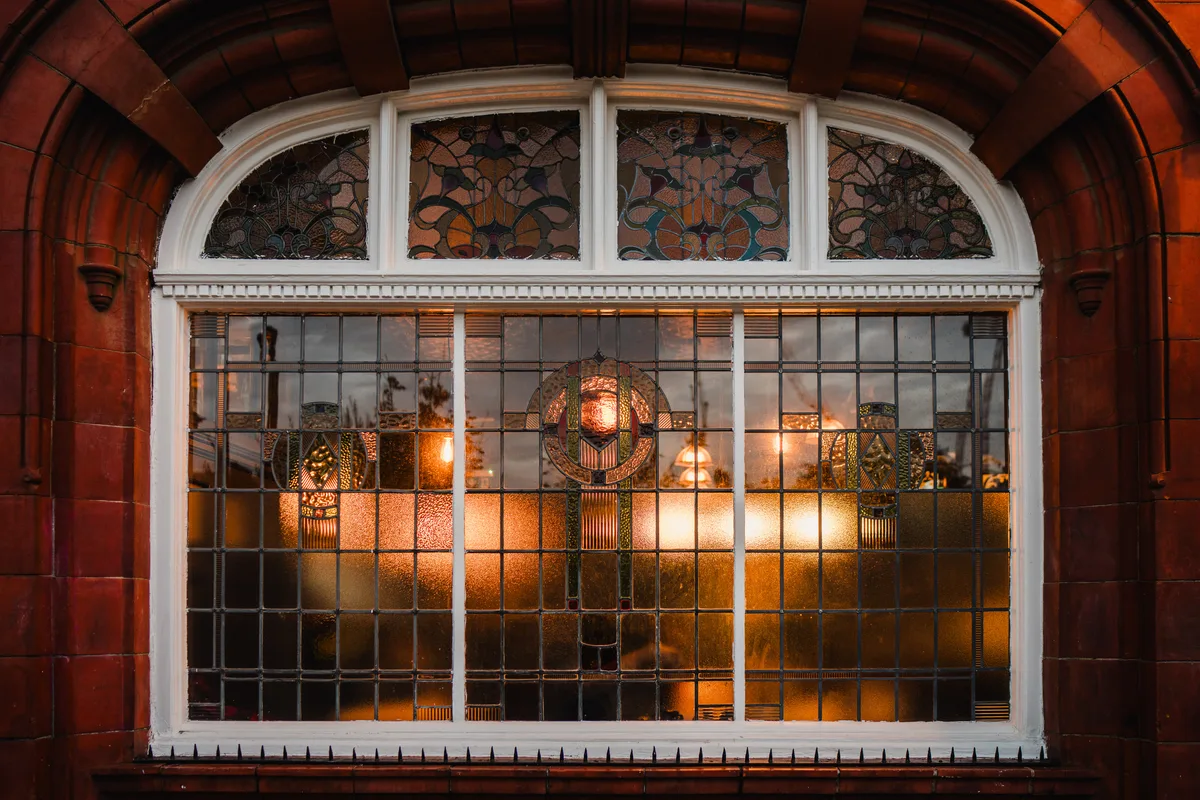
Stained-Glass Transoms & Obscured Privacy Screens
Attributed to Birmingham stained-glass craftsmen James Pearce & Co., the elliptical upper transoms and leaded lower privacy screens cast amber, ruby, and emerald light across the public bar throughout the afternoon.
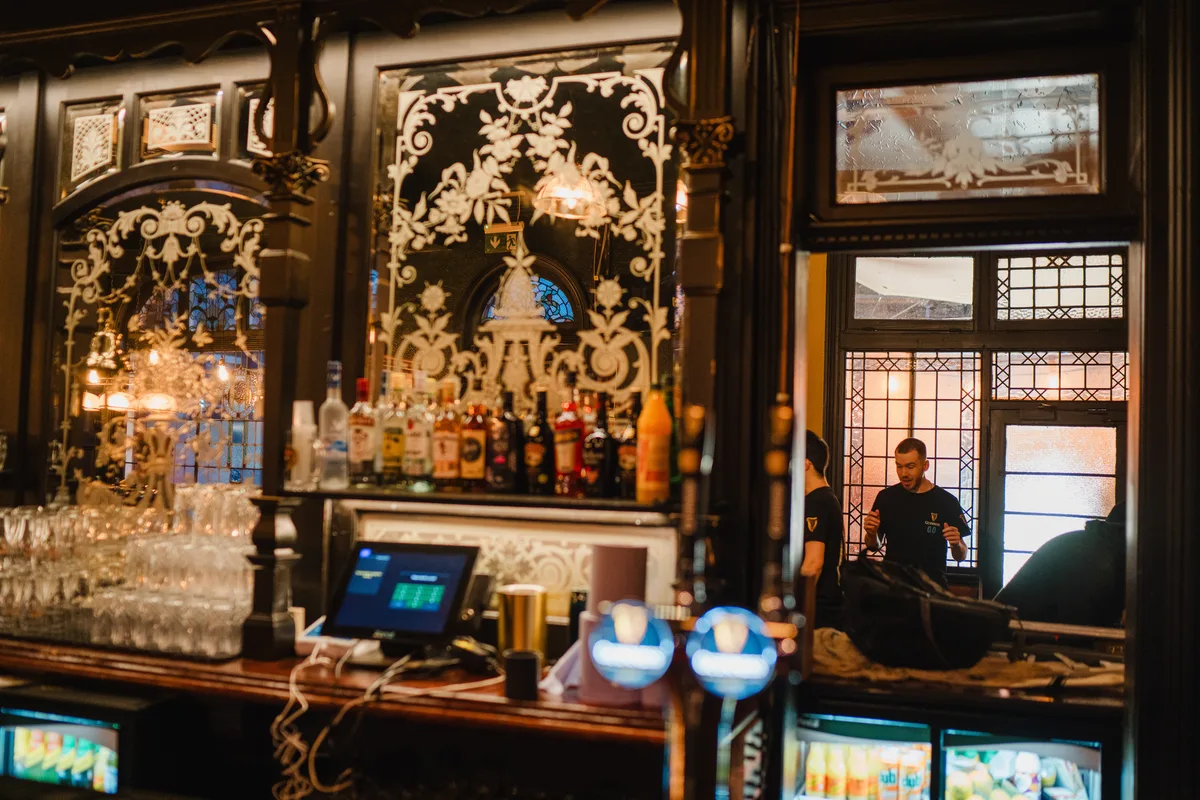
L-Shaped Mahogany Counter & Acid-Etched Mirrors
The original 1901 L-shaped bar counter features recessed fielded mahogany panelling, turned timber columns, traditional handpull mounts, and a rosewood-toned gantry backed by brilliant-cut and acid-etched mirrors.
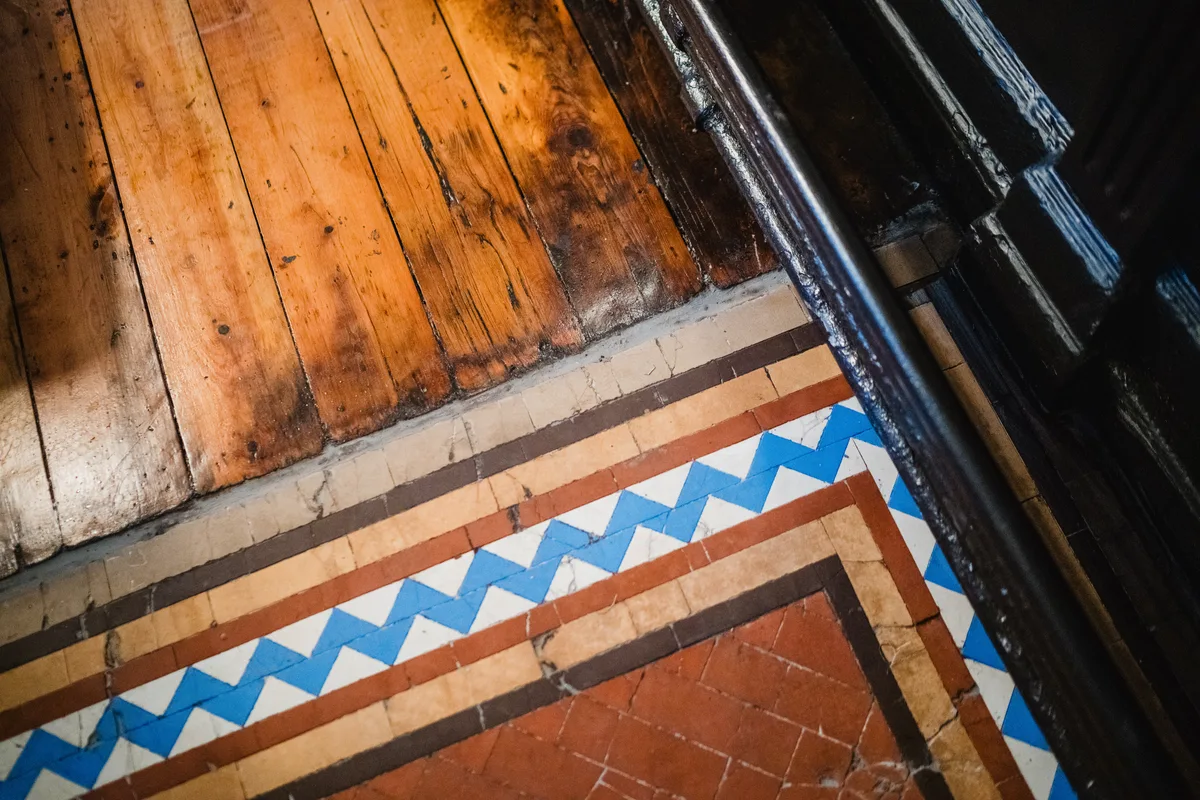
Original 1901 Minton Encaustic Floor Tiles
Polychrome geometric Minton floor mosaics and moulded ceramic dado tiles line the threshold and drinking corridors, meeting traditional timber panelling along the bar front.
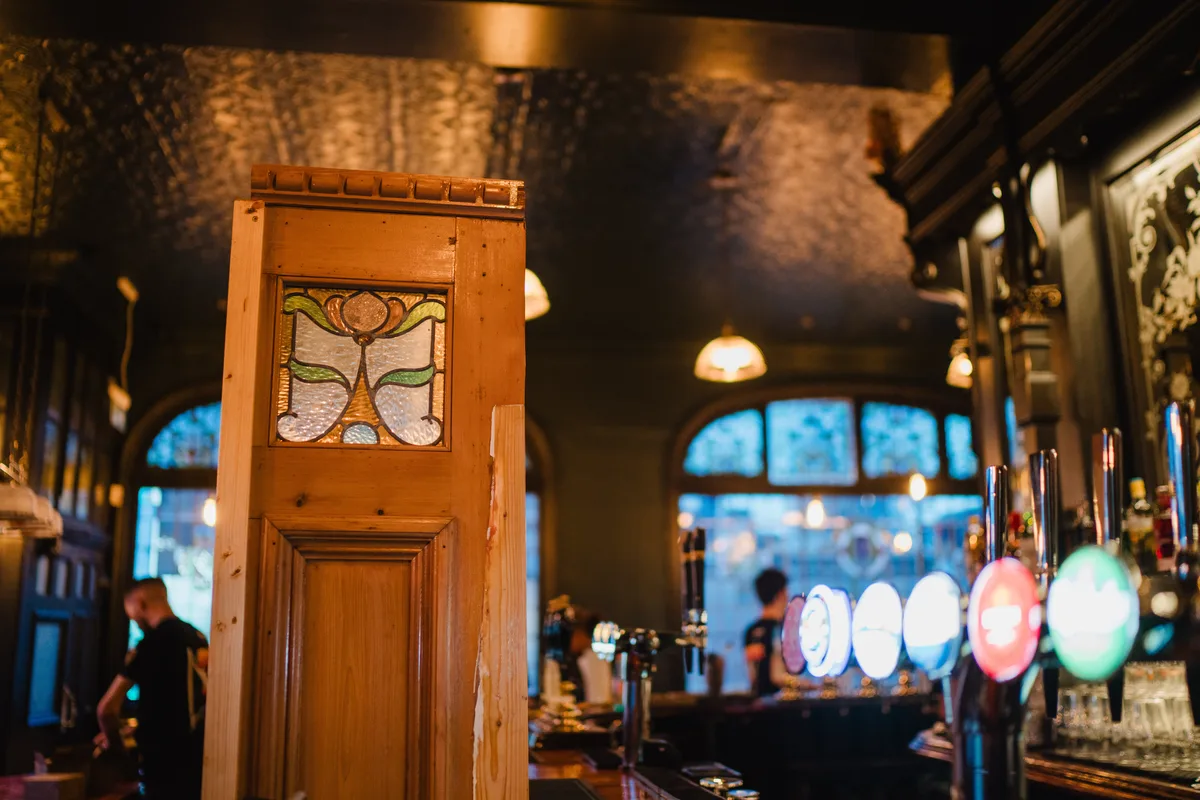
Glazed Timber Screens & Edwardian Sightlines
Carved timber screens and leaded-glass partitions divide the public bar, central corridor, and rear saloon rooms while allowing warm lamplight to travel from room to room.
The Midland Red Bar, Leather Snugs & Etched Glass
Every room inside The Anchor preserves a distinct layer of Birmingham’s social memory—from the drivers and mechanics of the neighbouring Midland Red Coach Station (1929–1986) to generations of Digbeth’s Irish community.
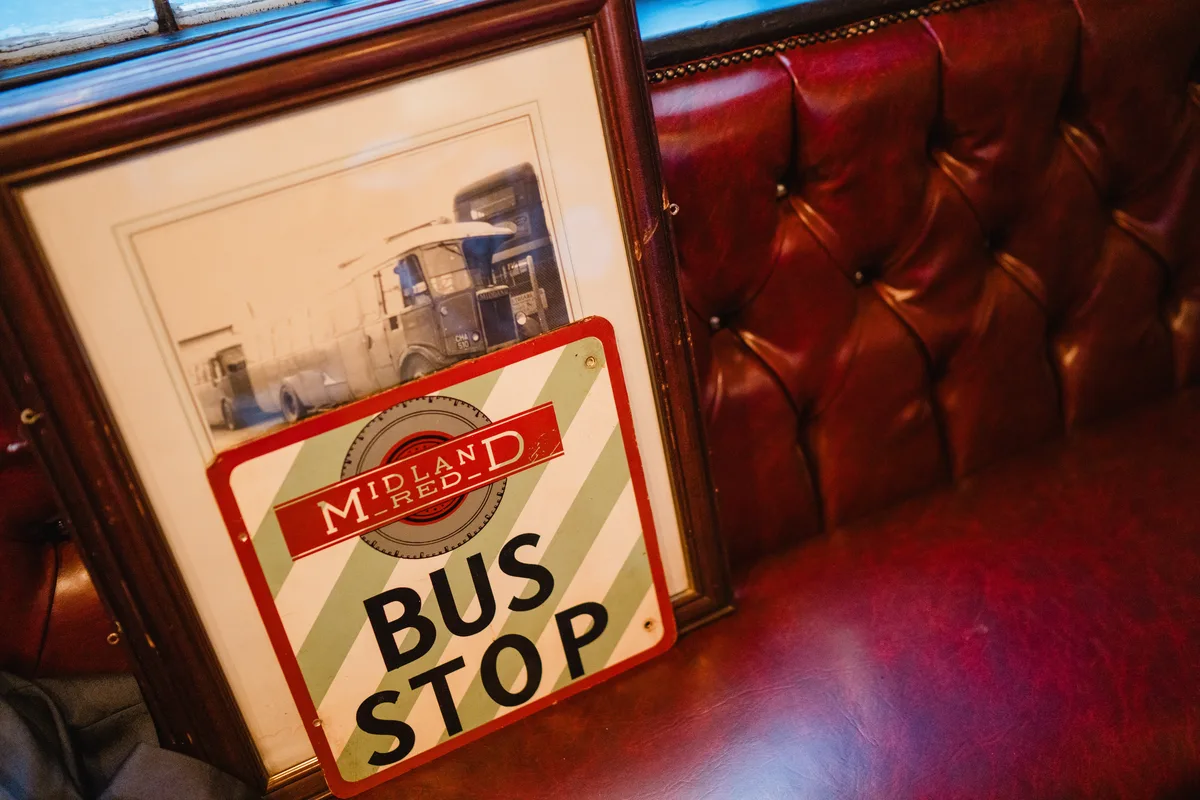
The Midland Red Bar & Digbeth Garage Archive
Situated directly opposite the former Midland Red omnibus garage on Rea Street, the rear lounge honours generations of Birmingham bus drivers, conductors, and engineers with original route plates, badges, and fleet photography.
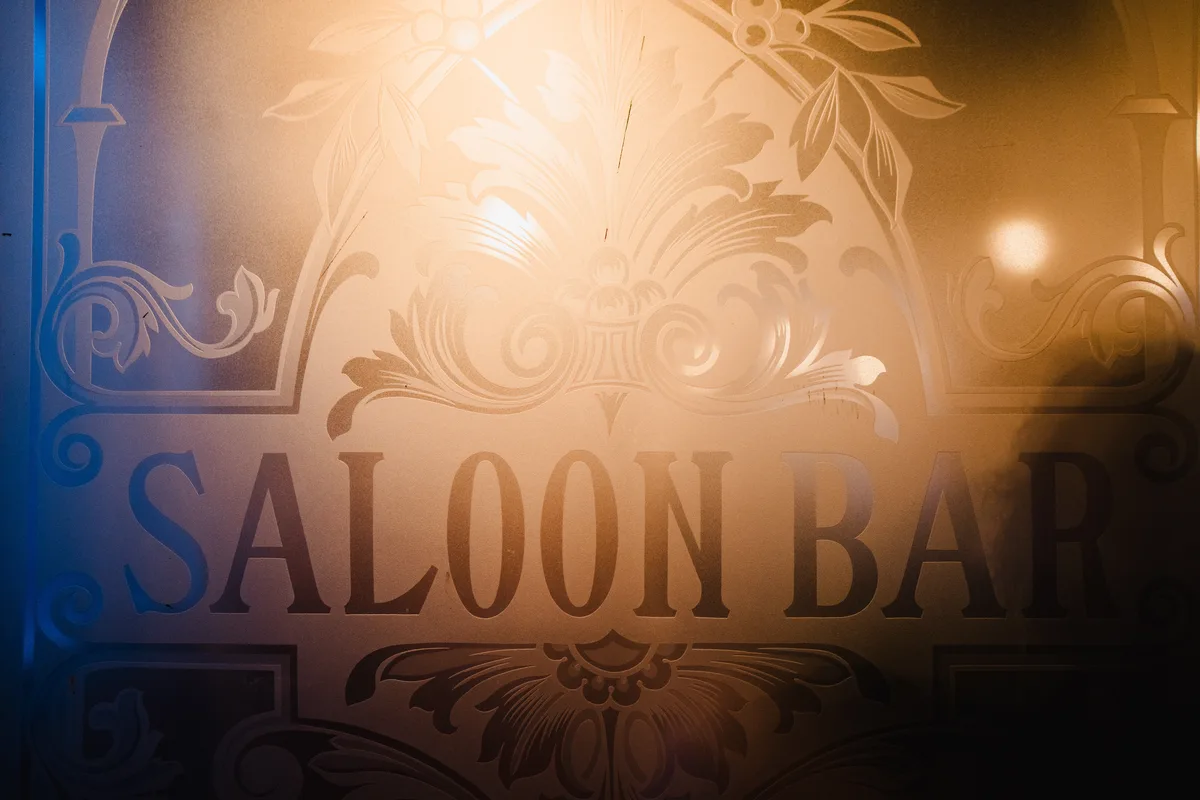
‘Saloon Bar’ & ‘Dark Room’ Cut-Glass Doorways
Original acid-embossed ‘Saloon Bar’ and ‘Dark Room’ glass door panels—alongside the historic brass last-orders bell and carved fireplace surround—preserve the hierarchy and charm of a 1901 city tavern.
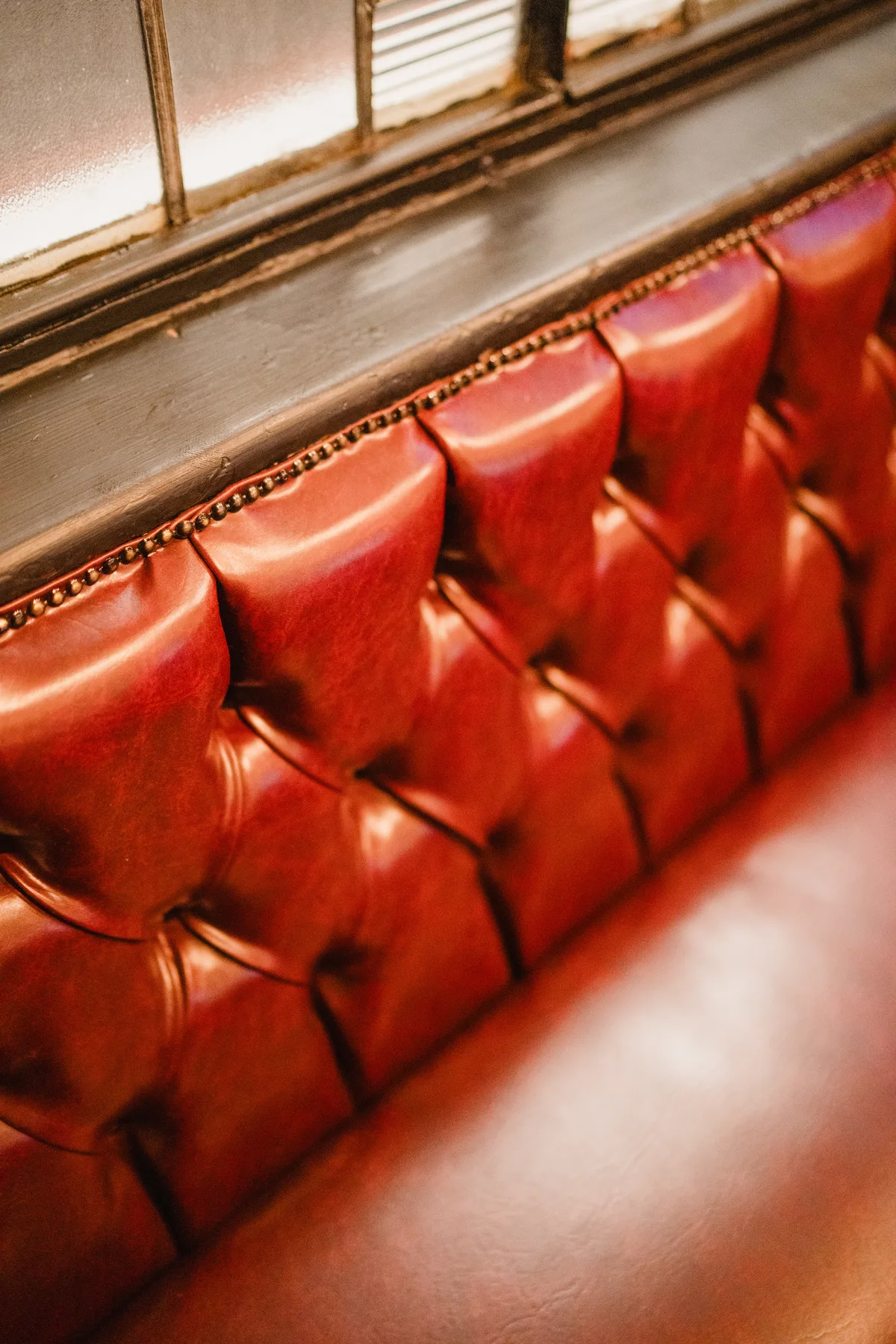
Traditional Leather Banquettes & Stained-Glass Bays
Deep-buttoned leather perimeter bench seating wraps beneath the 1901 stained-glass street bays, paired with traditional cast-iron and solid oak pub tables.
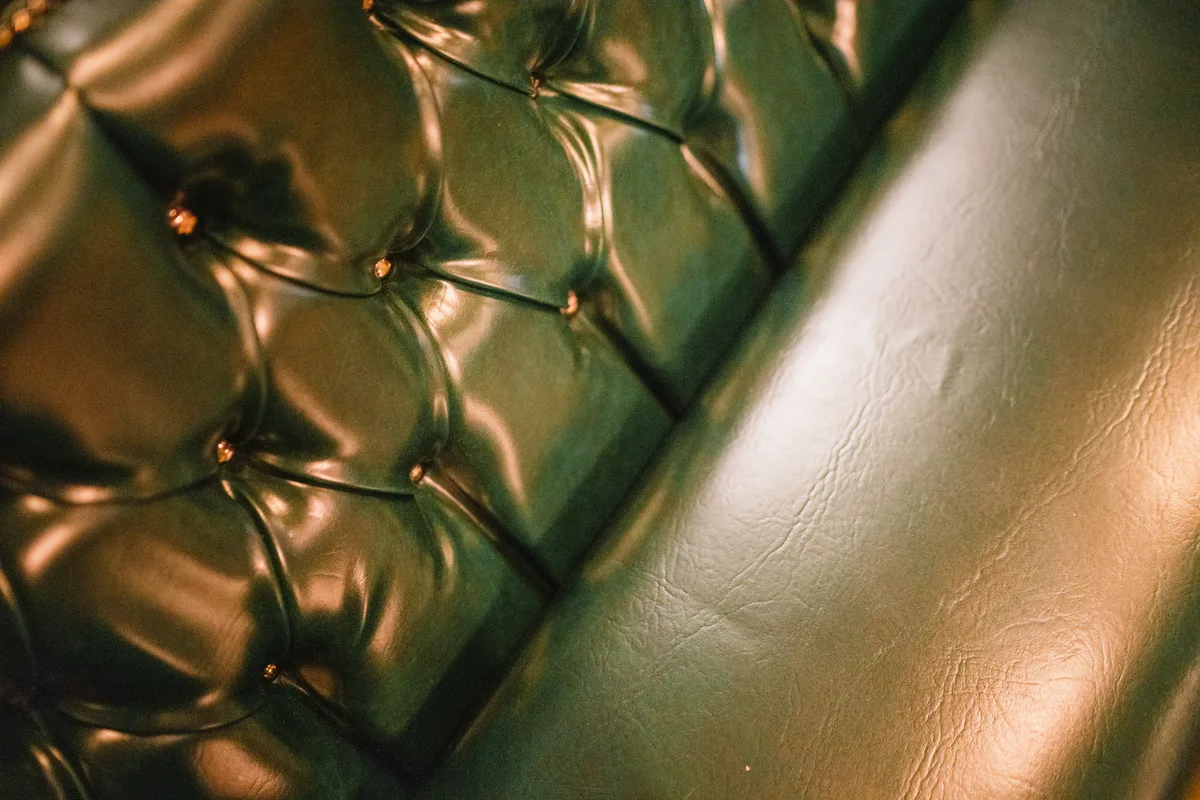
Maroon & White Upholstered Snug
Newly upholstered in Galway's traditional maroon and white, our quiet snug and small function room offers an intimate corner for private parties, meetings, and acoustic sessions.
Safeguarding 308 Bradford Street for the Next Century
In Autumn 2025, landlord Peter Connolly and proprietor Gerry Keane commissioned a £100,000 specialist conservation programme—restoring the Hathern terracotta, Minton tilework, gilded fascia signage, and traditional cellar lines.
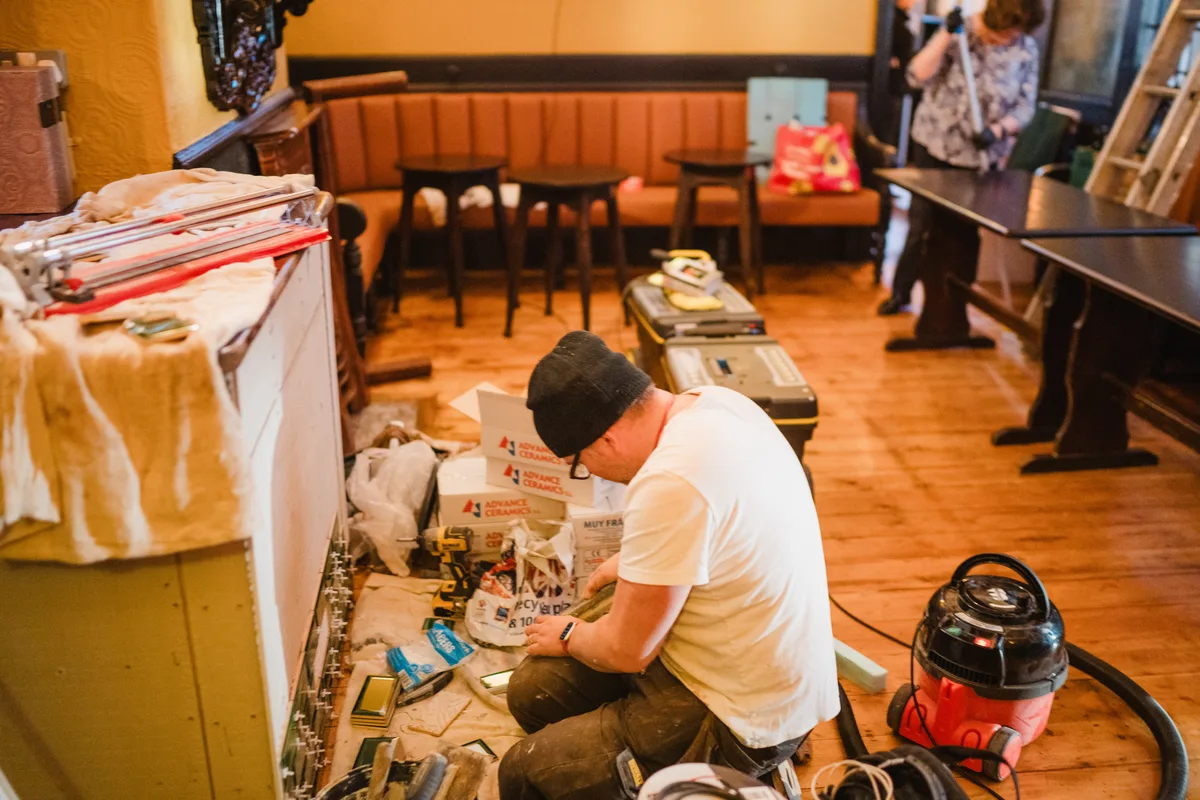
Sympathetic Tile, Joinery & French-Polishing Works
Specialist tradespeople cleaned and stabilised the 1901 ceramic tilework, French-polished the mahogany bar counter, and refurbished the leather banquettes without altering a single Grade II listed detail.
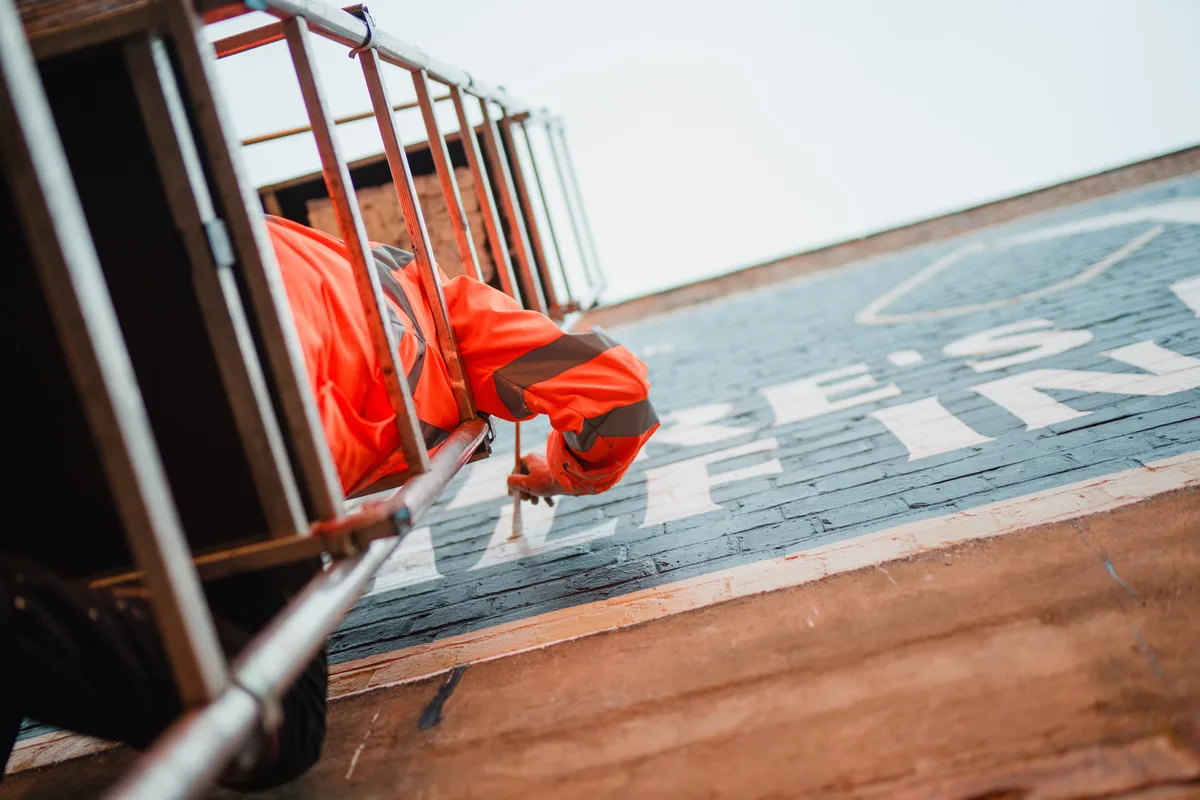
Hand-Painted Fascia Lettering & Terracotta Cleaning
Traditional signwriters restored the gilded fascia lettering and ornamental ironwork across the Bradford Street and Rea Street elevations ahead of the October 31, 2025 reopening.